
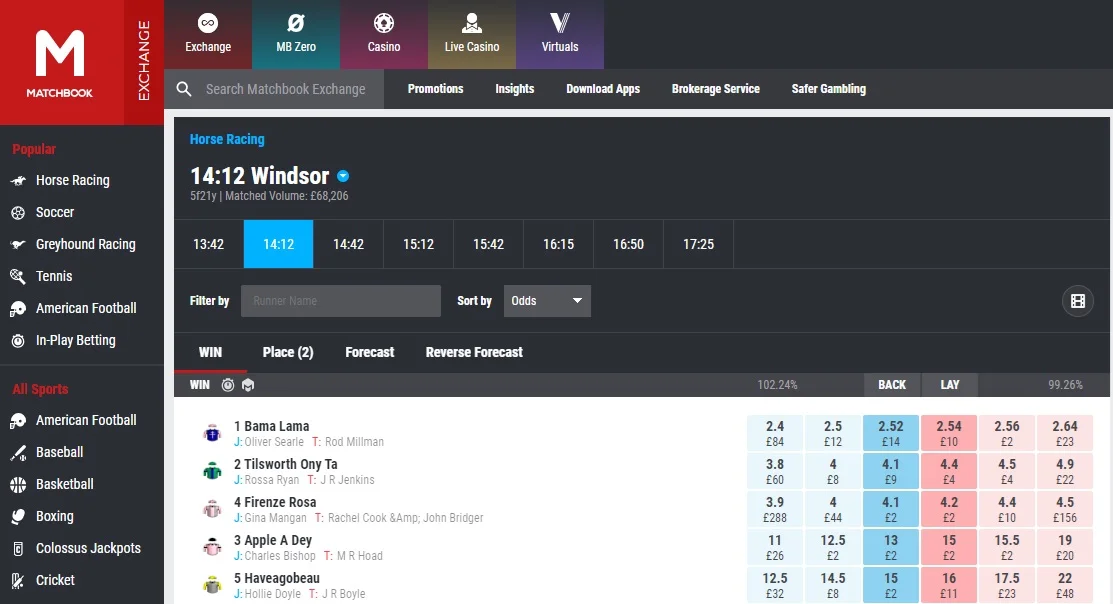
A betting exchange game is a type of online betting system where players place wagers against each other instead of betting against a bookmaker. This model turns betting into a marketplace where odds are determined by supply and demand rather than being set by a betting company. As a result, users often find more flexible betting options, better odds, and the ability to both support and oppose outcomes in the same market.
In a traditional sportsbook, the bookmaker sets the odds and accepts bets directly from customers. The bookmaker builds a margin into those odds, typically between 5% and 10%, ensuring long-term profitability for the company. A betting exchange works differently. Instead of acting as the counterparty to every bet, the platform simply connects users who want opposite outcomes.
Because the exchange does not need to include a large margin in the odds, the prices offered in exchange markets are often 3–8% more favorable than those provided by standard bookmakers. This difference is one of the main reasons experienced bettors prefer exchange platforms.
The platform itself generates revenue through a commission model. Most exchanges charge a commission of 2–5% on net winnings, rather than including a margin inside the odds. If a player loses a bet, no commission is charged. This structure makes the system more transparent compared with traditional betting sites.
Another key feature of a betting exchange is the ability to trade positions during an event. In many markets, bettors can place a bet before a match begins and then close or reverse that position later by placing the opposite bet at a different price. This allows users to lock in profits or reduce risk while the event is still in progress.
Because of this flexibility, many bettors treat exchange betting similarly to financial trading, where the goal is not only predicting the final result but also reacting to market movements.
What Is a Betting Exchange Game?

A betting exchange game refers to any betting market hosted on an exchange platform where players bet against one another rather than against a bookmaker. The exchange functions as an intermediary that organizes the market, matches bets between users, and ensures that transactions are settled correctly once the event ends.
The first large-scale implementation of this model appeared in the early 2000s when platforms such as Betfair introduced the exchange system to sports betting. Since then, the concept has expanded to include various types of events and markets.
Today, betting exchanges commonly offer markets for:
- football matches
- cricket tournaments
- tennis events
- horse racing
- esports competitions
Some platforms also provide casino-style exchange games, where players effectively compete against one another rather than against the house.
How Betting Exchange Platforms Work
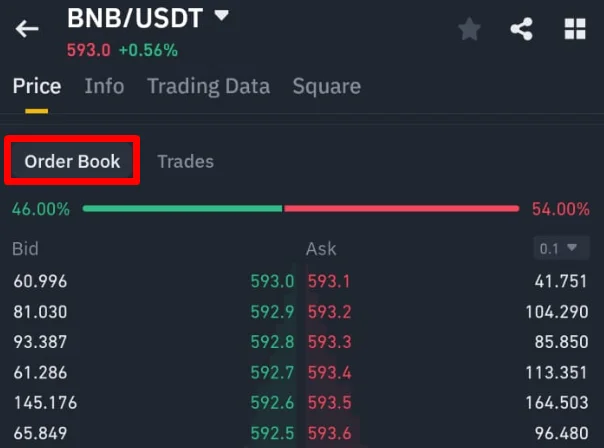
At the technical level, betting exchanges operate using a system similar to a market order book, which is commonly used in financial exchanges. All available bets are displayed in the market with their corresponding odds and stake amounts.
For example, a football betting market might show the following offers:
Back bets available
2.02 — $600
2.00 — $1200
Lay bets available
2.04 — $700
2.06 — $900
This structure allows users to instantly see the current demand and supply for a particular outcome. If a bettor wants to place a bet immediately, they can accept the best available odds. Alternatively, they can create their own offer and wait for another user to match it.
Once a back bet and a lay bet are matched at the same price, the bet becomes active. From that moment onward, the exchange records the wager and waits for the event to finish before distributing winnings.
Peer-to-Peer Betting Model
The defining characteristic of a betting exchange online game is its peer-to-peer structure. Every bet placed on the platform requires two participants who hold opposing views about the outcome of an event.
One player believes a particular result will occur and places a back bet. Another player believes the opposite and accepts the position by placing a lay bet. The exchange simply facilitates this interaction by providing the technology and maintaining the integrity of the market.
Because the market is driven by player activity, odds constantly adjust based on new information. If many bettors begin backing the same outcome, the odds will shorten as demand increases. Conversely, if players begin laying that outcome, the odds will move higher.
This dynamic pricing system reflects the collective opinion of the betting market, making exchange odds particularly efficient in highly liquid markets such as football or horse racing.
Why Betting Exchanges Became Popular
Betting exchanges gained popularity because they provide a level of control and flexibility that traditional bookmakers rarely offer. Instead of simply accepting odds, users can actively participate in the pricing process.
Several factors contributed to the growth of betting exchanges:
Higher odds value
Since there is no bookmaker margin built into the odds, exchange prices tend to be more competitive.
Market transparency
Players can see the available odds and stake sizes in the order book, allowing them to understand how the market is developing.
Trading opportunities
Users can open a position early and close it later if the odds move in their favor.
Strategic betting
Experienced bettors can hedge risk, trade volatility, or lock in profits through strategic betting decisions.
These features have transformed betting exchanges into a hybrid environment that combines elements of sports betting, trading, and market speculation.
Back and Lay Bets Explained
One of the most important aspects of exchange betting is the ability to place two types of wagers: back bets and lay bets. Understanding these mechanisms is essential because they form the foundation of every betting exchange market.
What Is a Back Bet
A back bet is the most familiar type of wager. When placing a back bet, a bettor is predicting that a specific outcome will occur.
Example:
Event: Team A vs Team B
Bet: Back Team A
Odds: 2.00
Stake: $100
If Team A wins the match, the bettor receives $200 total, which includes the original stake and the profit.
Back bets behave in exactly the same way as traditional sportsbook bets. For beginners entering a betting exchange game online, starting with back bets is usually the easiest way to understand how the market operates.
What Is a Lay Bet
A lay bet allows a bettor to wager against a specific outcome. In this situation, the bettor accepts another player’s back bet and effectively acts as the bookmaker.
Example:
Lay Team A
Odds: 3.00
Backer’s stake: $100
If Team A fails to win, the layer receives the $100 stake as profit.
However, if Team A wins, the layer must pay the winnings to the opposing bettor. This potential payment is known as the liability.
Liability is calculated using the formula:
Liability = (Odds × Stake) − Stake
In the example above:
(3.00 × 100) − 100 = $200 liability
This means the bettor must have at least $200 available in their account to place the lay bet.
Example of Back vs Lay Betting
Back and lay bets exist in every exchange market because each position requires an opposite counterparty.
For example:
Player A backs a tennis player at odds of 2.50 with a stake of $100.
Player B lays the same player at odds of 2.50.
If the tennis player wins:
Player A earns $150 profit.
Player B pays $150.
If the player loses:
Player B earns $100 profit.
Player A loses the stake.
This dual-position system is what transforms betting exchanges into interactive markets, where participants can support or oppose outcomes depending on their analysis.
In addition, bettors can combine back and lay bets to create trading strategies. For instance, a user might back a team before the match at odds of 3.00 and later lay the same team at odds of 2.20 after the team takes the lead. This difference in odds allows the bettor to lock in profit regardless of the final result.
Because of these possibilities, many experienced bettors consider betting exchanges to be one of the most flexible and strategic forms of online betting.
How Betting Exchange Odds Are Formed
One of the fundamental differences between a betting exchange game and a traditional sportsbook lies in how odds are created. In conventional sportsbooks, professional traders set the odds while incorporating a built-in margin to guarantee long-term profitability for the bookmaker. This margin usually ranges between 5% and 10%, depending on the sport and market.
Betting exchanges operate differently. Instead of fixed bookmaker odds, prices are created by the interaction between bettors. The exchange platform simply provides the infrastructure where users can propose and accept betting offers. Because the market determines the prices, exchange odds often represent a more accurate estimate of the true probability of an event.
This market-driven pricing is why odds on exchanges are frequently 3–8% higher than those available at traditional bookmakers.
Player-Driven Odds
In a betting exchange online market, odds are determined entirely by user activity. If a large number of bettors believe that a particular outcome is likely, they place back bets on that outcome. This demand pushes the odds downward.
For example:
Before heavy betting activity
Team A odds — 2.20
After many back bets enter the market
Team A odds — 1.95
On the other hand, if many bettors believe that the outcome is unlikely and start placing lay bets, the odds increase. This constant interaction between opposing views forms the market price.
Because thousands of bettors may participate in popular events, exchange odds often reflect the collective intelligence of the betting market.
Order Book System
The technical core of every betting exchange is the order book, which records all unmatched bets waiting to be accepted. This structure is very similar to the system used by stock exchanges or cryptocurrency trading platforms.
The order book typically shows:
- available back bets (demand)
- available lay bets (supply)
- stake sizes at each price level
For example, a football match market might display the following order book:
Back offers
2.02 — $600
2.00 — $1200
1.98 — $800
Lay offers
2.04 — $700
2.06 — $900
2.08 — $500
The difference between the best back price and the best lay price is known as the spread. In highly liquid markets, the spread can be extremely small, sometimes just 0.01 in decimal odds.
Market Liquidity and Price Movement
Liquidity refers to the amount of money available for betting in a particular market. It is one of the most important factors influencing exchange performance.
High-liquidity markets usually have:
- tighter spreads between prices
- faster bet matching
- more stable odds
For example, a major football match in the English Premier League may have more than $10 million matched on a betting exchange. In such markets, large bets can be matched instantly with minimal price movement.
Low-liquidity markets, however, may behave very differently. If only a small number of bettors are participating, even a relatively small bet can move the odds significantly.
Example:
Low liquidity market
Total matched — $8,000
A single $1,000 bet may shift odds from 2.50 to 2.20, creating significant volatility.
Professional exchange bettors often focus on markets with strong liquidity because they allow smoother entry and exit from positions.
Betting Exchange Live Markets
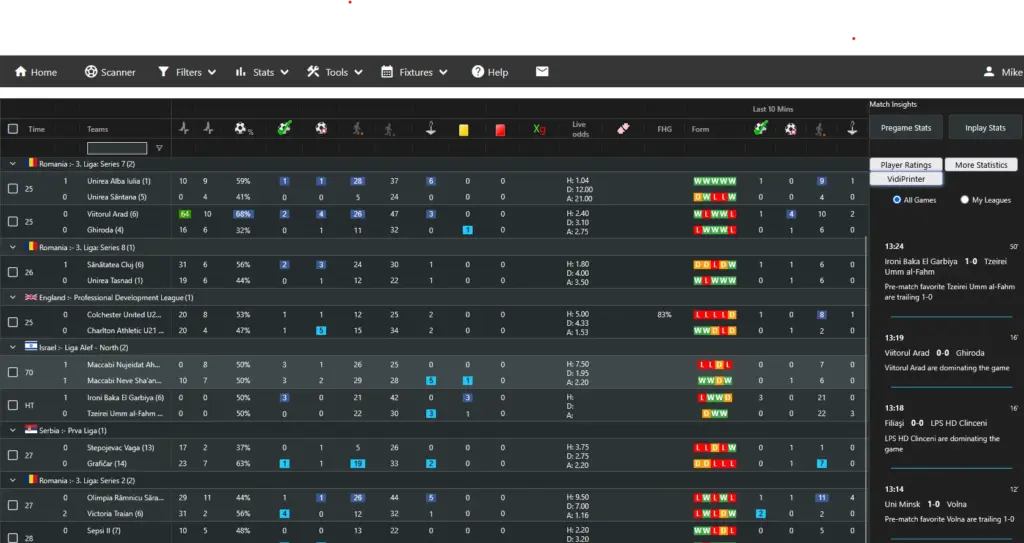
One of the most attractive features of exchange betting is the ability to participate in live betting markets, where wagers can be placed while an event is already underway. These markets are highly dynamic because odds change constantly based on real-time developments during the match.
In traditional sportsbooks, betting is often temporarily suspended when important events occur, such as goals or penalties. Betting exchanges, however, rely on automated systems that adjust odds continuously as new information enters the market.
How Live Betting Works on Exchanges
Live betting exchanges monitor sporting events in real time using automated data feeds. As soon as a significant event occurs, such as a goal in football or a wicket in cricket, the platform temporarily suspends the market for a few seconds and then reopens it with updated prices.
Example:
Before kickoff
Team A odds — 2.20
After Team A scores
Team A odds — 1.60
This rapid adjustment allows bettors to react instantly to changes in the match.
Live markets can generate enormous trading volume. In high-profile sporting events such as international football matches or major cricket tournaments, millions of dollars may be traded during a single match.
Trading Odds During Live Matches
Because betting exchanges allow both back and lay bets, users can treat live markets as trading opportunities. Instead of waiting for the final result, bettors can profit from short-term price movements.
For instance, a bettor might execute the following strategy:
Back Team A before kickoff at odds of 2.80
Lay Team A during the match at odds of 2.10
This difference in odds allows the bettor to secure a profit regardless of the final outcome. This technique is often referred to as hedging or green-book trading, because profits can be distributed across all possible results.
Professional exchange traders frequently use statistical models, match analytics, and real-time performance indicators to identify opportunities for such trades.
Risk Management in Live Betting
Although live betting offers attractive opportunities, it also introduces significant risks. Odds can change rapidly, especially in sports with frequent scoring or momentum swings.
Examples of sports with high live volatility include:
- tennis
- basketball
- cricket
- esports matches
In these markets, odds may fluctuate by 20–30% within a few minutes.
Successful exchange bettors often apply strict risk management strategies, such as:
- limiting stake sizes to a small percentage of their bankroll
- avoiding emotional decisions after sudden events
- closing positions early when the market becomes unstable
Maintaining discipline is essential because the speed of live markets can encourage impulsive betting behavior.
Betting Exchange vs Traditional Bookmakers
Understanding the difference between betting exchanges and traditional bookmakers helps explain why many experienced bettors prefer exchange platforms.
In a sportsbook, the bookmaker controls the odds and takes the opposite side of every bet placed by customers. The bookmaker earns money through a margin included in the odds. Over time, this margin guarantees that the bookmaker remains profitable regardless of individual results.
In a betting exchange, however, the platform does not take a position on the outcome. Instead, it simply connects bettors who have opposing opinions. Because the exchange only charges a commission on winnings, the betting environment becomes more transparent.
| Feature | Betting Exchange | Traditional Bookmaker |
| Odds creation | Determined by market demand | Set by bookmaker traders |
| Betting model | Player vs player | Player vs bookmaker |
| Lay betting | Available | Not available |
| Profit model | Commission (2–5%) | Margin built into odds |
| Price transparency | High | Limited |
| Trading opportunities | Available | Rare |
Due to these structural differences, betting exchanges often provide a more flexible environment where users can analyze the market and adapt their strategy during the event.
Types of Betting Exchange Markets
Betting exchanges support a wide range of markets that allow players to participate in different types of events. While sports markets dominate most exchanges, additional categories have appeared as platforms expand their offerings.
Sports Betting Exchange
Sports markets account for the majority of betting exchange activity. Popular sports such as football, cricket, horse racing, and tennis attract thousands of participants, creating highly liquid markets.
Common sports exchange markets include:
- match winner
- total goals or points (over/under)
- handicap betting
- tournament winners
These markets are particularly attractive because high participation levels create tight spreads and stable odds.
Casino Exchange Games
Some platforms also offer casino exchange games, which operate differently from traditional house-edge casino games. Instead of playing directly against the casino, players compete against one another in markets where outcomes depend on player positions.
Examples may include:
- exchange blackjack variants
- peer-to-peer poker pools
- skill-based betting contests
These formats combine elements of casino gaming with the peer-to-peer structure of exchange betting.
Specialty Betting Markets
Beyond sports and casino games, certain betting exchanges offer markets for a variety of non-sporting events. These markets may include political elections, television competitions, or entertainment awards.
Although they usually attract smaller betting volumes, specialty markets can offer unique opportunities for bettors who possess detailed knowledge about specific events.