
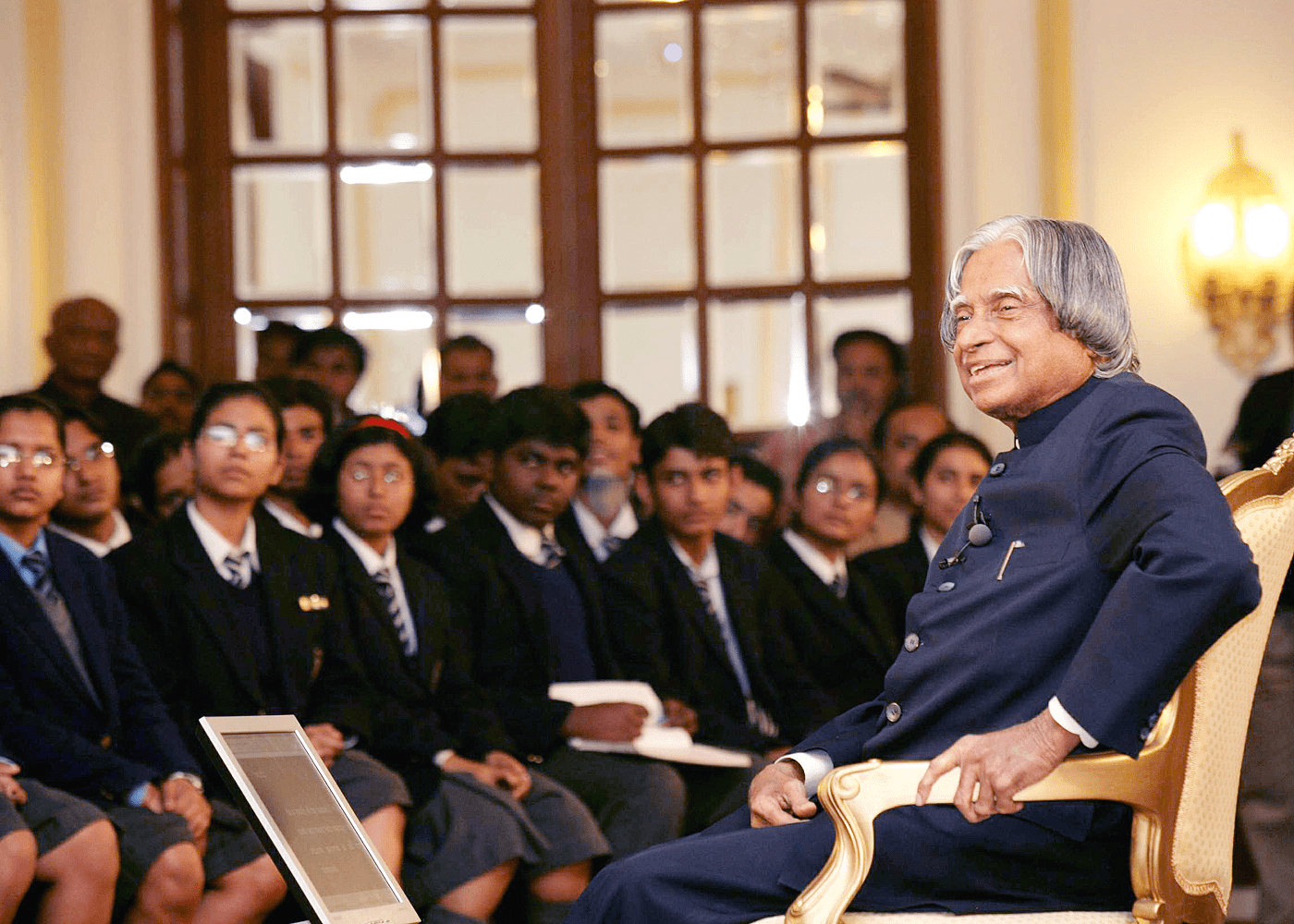
Education in India has always been more than classrooms and exams. It is about shaping character, curiosity, and courage. Few voices capture this spirit as clearly as Dr. A. P. J. Abdul Kalam. His reflections on learning speak directly to students, teachers, and parents, cutting across language and region. Education Abdul Kalam quotes continue to echo in schools because they combine science, ethics, and human values in a way that feels practical and honest.
For students growing up under academic pressure, competition, and expectation, his words offer balance. They remind learners that education is not only about ranks, but about becoming capable, confident human beings. When shared in English and Hindi, these ideas feel both aspirational and familiar, creating a bridge between ambition and roots.
Who Abdul Kalam Was and Why Students Still Listen
Dr. Kalam’s journey from Rameswaram to Rashtrapati Bhavan is often described as extraordinary, yet he always presented it as achievable through effort and discipline. That humility is why students trust his words.
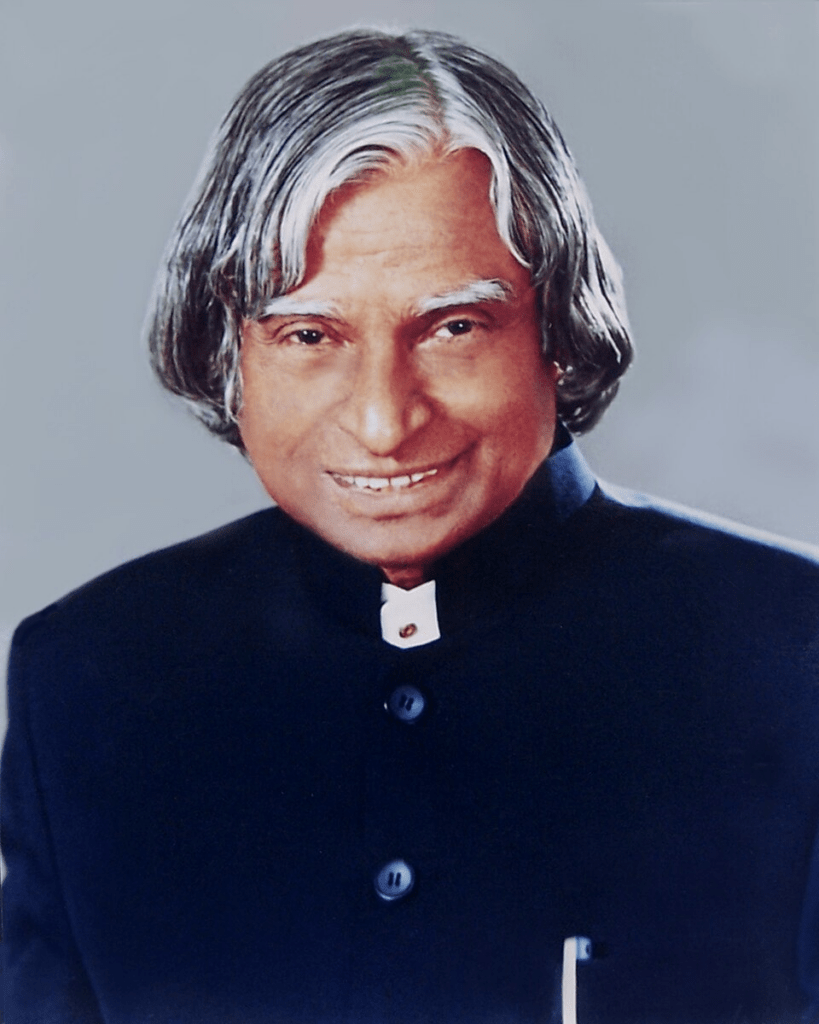
He spoke as a scientist who valued data and as a teacher who valued character. Education Abdul Kalam quotes reflect this duality. They do not romanticize struggle, but they do not fear it either.
A Life Shaped by Learning
His background in physics and aeronautical engineering grounded his belief that education must be skill-oriented. At the same time, his spiritual outlook shaped his insistence on ethics and responsibility.
A Teacher at Heart
Even after holding the highest constitutional office, he chose classrooms over comfort. Students sensed that sincerity, which is why his ideas still feel relevant.
Abdul Kalam’s Core Philosophy on Education
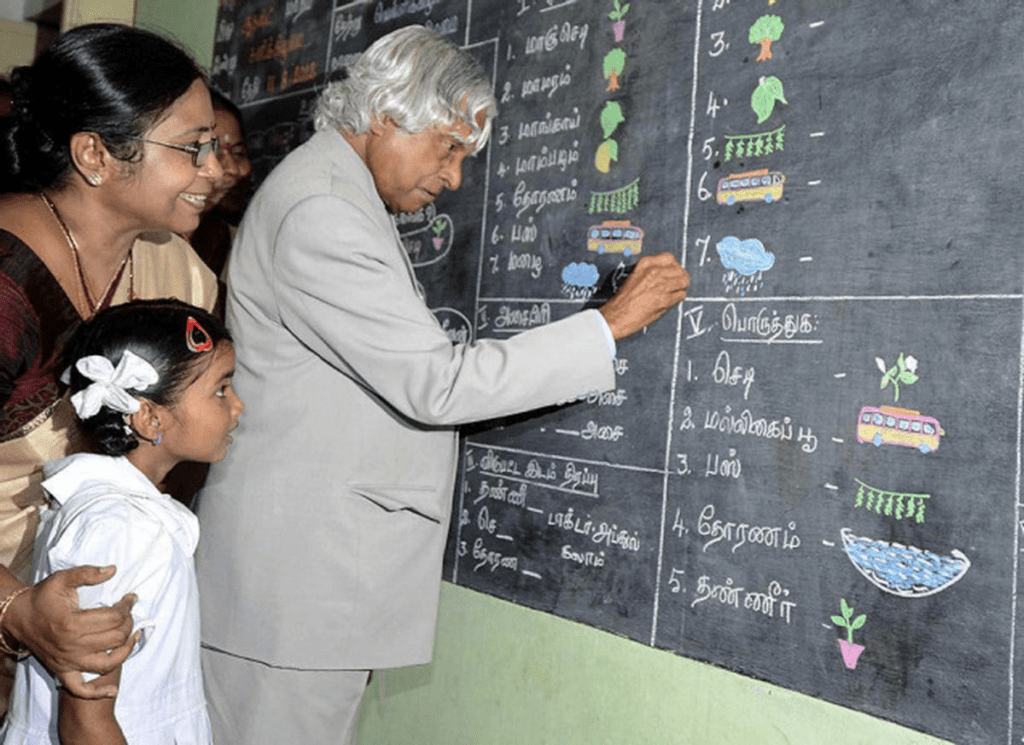
At the center of his thinking was a simple idea: education should create capable and good human beings. This principle appears repeatedly across education Abdul Kalam quotes shared in schools and assemblies.
Education Beyond Textbooks
According to him, learning fails if it stops at information. True education develops:
- Critical thinking
- Moral clarity
- Self-confidence
These elements prepare students for uncertainty, not just exams.
Habit, Discipline, and Growth
He believed habits shape destiny. Many education Abdul Kalam quotes focus on daily effort rather than sudden success, making them relatable for students at every level.
Quotes on Dreams, Learning, and Effort

Dreams were never fantasy for Kalam. They were starting points for action. His words encourage students to dream actively, not passively.
Popular Education Abdul Kalam Quotes in English
- Dream is not what you see in sleep, it is what does not let you sleep.
- Small aim is a crime; have great aim.
- Learning gives creativity, creativity leads to thinking.
Each line links aspiration directly to learning and effort.
Hindi Reflections That Deepen Meaning
When expressed in Hindi, the same ideas feel grounded:
- सपना वह है जो आपको आगे बढ़ने पर मजबूर करे।
- बड़ा लक्ष्य ही बड़े प्रयास को जन्म देता है।
This bilingual flow makes education Abdul Kalam quotes accessible across classrooms.
Why His Quotes Work So Well for Students
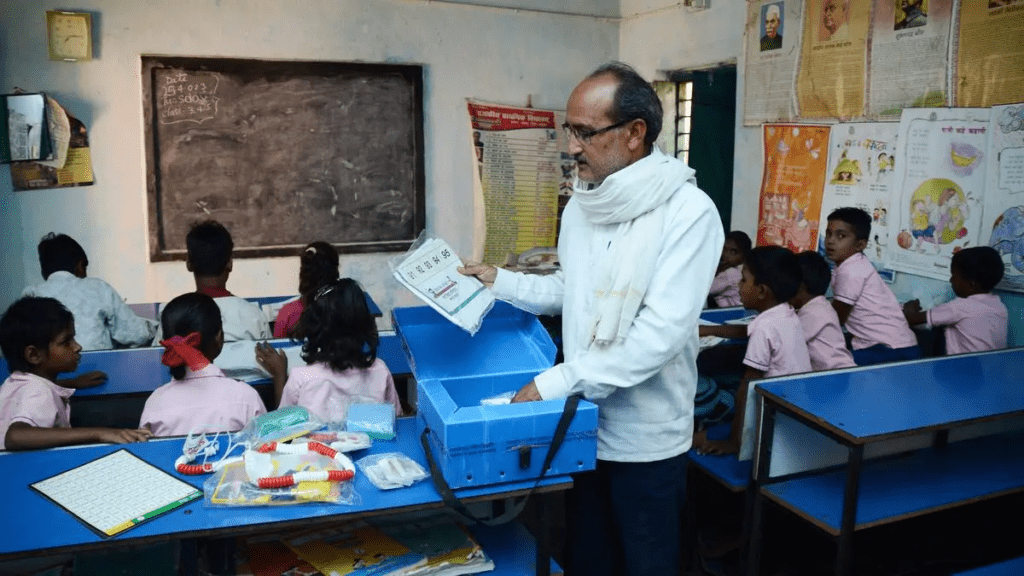
Students respond to authenticity. Kalam never spoke down to young people. He spoke with them, often sharing his own doubts and failures.
Practical, Not Abstract
His words focus on action:
- Consistent effort
- Responsibility for choices
- Respect for learning
There is no exaggeration, only clarity.
Emotional but Rational
Education Abdul Kalam quotes balance emotion with logic. They inspire without ignoring discipline, which is why teachers rely on them.
Using Abdul Kalam Quotes in Schools

Schools across India integrate his ideas into assemblies, classrooms, and notice boards. This works because his language is simple and his message universal.
Common School Use Cases
Education Abdul Kalam quotes are often used:
- As thought of the day in assemblies
- In exam-time motivation sessions
- During career guidance talks
Each context reinforces learning as a lifelong process.
Student Engagement and Reflection
When students are asked to explain a quote in their own words, comprehension deepens. A single line can turn into a meaningful discussion.
Education Abdul Kalam Quotes in Indian Languages
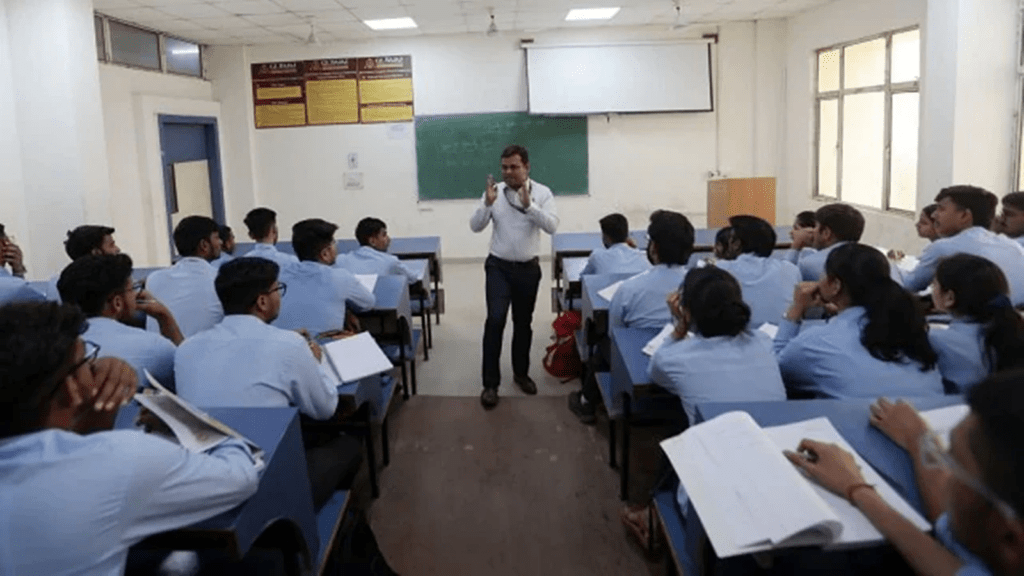
One reason his influence remains strong is translation. His ideas travel easily across languages without losing meaning.
Hindi, Tamil, and Beyond
Students often encounter education Abdul Kalam quotes in:
- Hindi for moral education periods
- Tamil and Malayalam in regional schools
- English in academic settings
This linguistic flexibility ensures inclusion rather than hierarchy.
A Practical Table for Classroom Use
| Focus Area | Quote Theme | Student Takeaway |
| Dreams | Active dreaming | Goals need action |
| Discipline | Daily effort | Habits shape future |
| Learning | Skill and values | Knowledge with character |
| Confidence | Self-belief | Fear reduces with preparation |
Teachers use such grouping to connect quotes with real behavior.
Why These Quotes Still Matter Today
Students today face faster change and higher pressure. Education Abdul Kalam quotes remain relevant because they address inner strength, not trends. They remind learners that while technology evolves, values like effort, curiosity, and integrity remain constant.
Have you noticed how one clear thought can steady a confused mind? That is the quiet power of Kalam’s words. They do not promise shortcuts. They offer direction.
Education Abdul Kalam Quotes on Confidence and Self-Belief

Confidence was not arrogance in Kalam’s vocabulary. It was preparation meeting belief. Many education Abdul Kalam quotes return to this idea again and again, especially when he addressed students struggling with fear of failure.
Confidence Built Through Effort
He often reminded learners that confidence grows from work, not wishes. Students who practice daily, revise honestly, and reflect on mistakes develop a quiet strength that does not depend on comparison.
Key ideas frequently highlighted in his quotes include:
- Trust in one’s ability to learn
- Acceptance of failure as feedback
- Courage to take responsibility
Hindi Expressions That Resonate Emotionally
In Hindi classrooms, the same message lands with warmth:
- आत्मविश्वास मेहनत से जन्म लेता है।
- डर वहीं टिकता है जहाँ तैयारी नहीं होती।
Such lines help students normalize fear and move past it.
Leadership Lessons Embedded in His Words
Kalam never separated education from leadership. For him, leadership meant service, integrity, and vision. Education Abdul Kalam quotes on leadership are often shared with senior students preparing for competitive exams or future careers.
Leadership Without Position
He taught that leadership is visible in behavior, not titles. Students practicing honesty, teamwork, and accountability are already leaders in small ways.
Values That Shape Responsible Citizens
His leadership-oriented quotes repeatedly stress:
- Integrity over shortcuts
- Service over self-interest
- Vision over comfort
These ideas align naturally with civic education goals in schools.
Abdul Kalam’s Message During Exam Pressure
Exams are defining moments for many students. Kalam addressed this stress directly, without dismissing it. Education Abdul Kalam quotes used during exam time focus on balance rather than panic.
Calming the Exam Mindset
He encouraged students to focus on process:
- Preparation over prediction
- Clarity over anxiety
- Effort over outcome
This approach reduces fear while preserving discipline.
Why Teachers Prefer His Words Before Exams
Teachers rely on his quotes because they:
- Avoid false reassurance
- Emphasize control over effort
- Promote calm concentration
Students often remember these lines long after exams end.
Connecting Quotes with Real Learning Habits
Education Abdul Kalam quotes are most effective when linked to daily routines. Schools that integrate them into classroom culture see stronger impact.
Practical Ways Schools Apply His Ideas
Common practices include:
- Weekly reflection on one quote
- Linking quotes to subject lessons
- Encouraging students to paraphrase meaning
This turns inspiration into habit.
From Words to Action
When students connect a quote with behavior, learning deepens. A line about discipline becomes a reminder to revise regularly. A thought about curiosity becomes a reason to ask questions.
Why Students Across India Still Relate to Him
Despite changes in education systems and technology, Kalam’s tone feels timeless. He spoke with honesty, simplicity, and respect for young minds.
Education Abdul Kalam quotes remain relevant because they:
- Respect student intelligence
- Acknowledge struggle without fear
- Offer direction without pressure
Students sense that realism, which builds trust.
The Lasting Role of His Words in Education
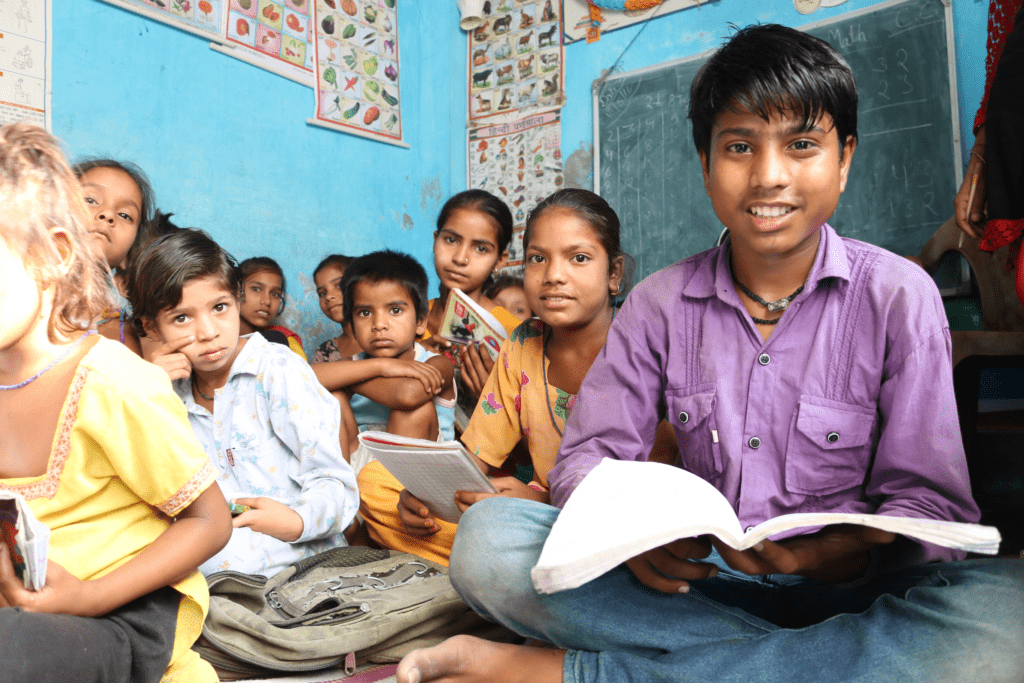
Nearly every generation of Indian students encounters his thoughts at some point. Whether in assemblies, classrooms, or personal reading, his ideas act as quiet guides.
Education Abdul Kalam quotes do not promise instant success. They encourage patience, consistency, and belief in learning as a lifelong process. That is why they continue to shape not just students, but educators and parents as well.
When education focuses on both skill and character, learners grow stronger from within. That balance is the true legacy carried forward through his words.