
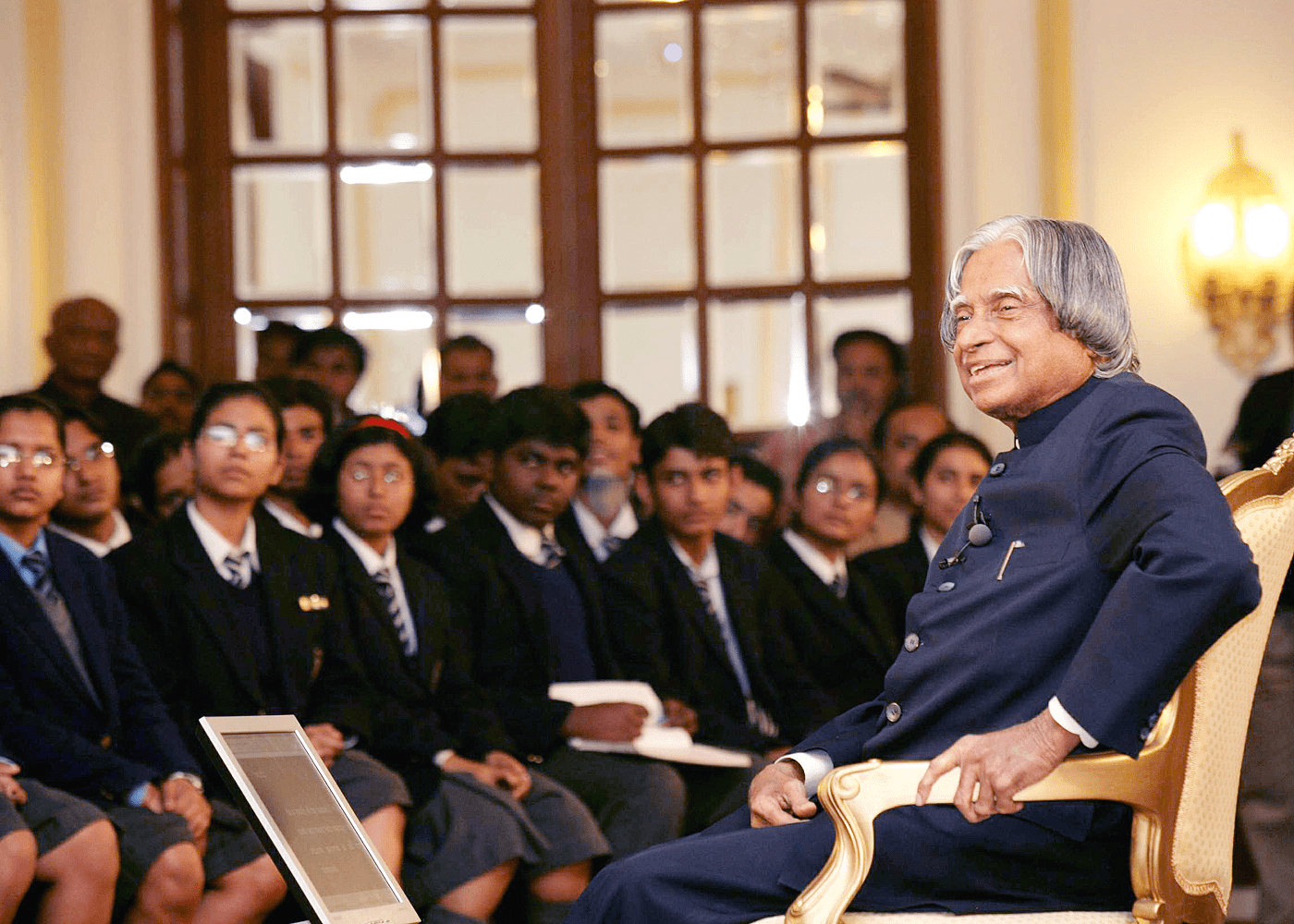
Education Abdul Kalam quotes remain powerful because they do more than motivate students for one exam or one school assembly. They connect learning with character, effort, curiosity and responsibility. Dr. A. P. J. Abdul Kalam spoke to young people as a scientist, teacher and public figure who believed that education should prepare students not only for marks, but for meaningful work and ethical living.
For Indian students, his words feel especially close because they combine ambition with humility. He encouraged dreams, but never separated dreams from discipline. He praised knowledge, but always linked knowledge with service. That balance is why his quotes are still used in classrooms, speeches, morning assemblies and personal study routines.
Why Abdul Kalam’s words still matter in education
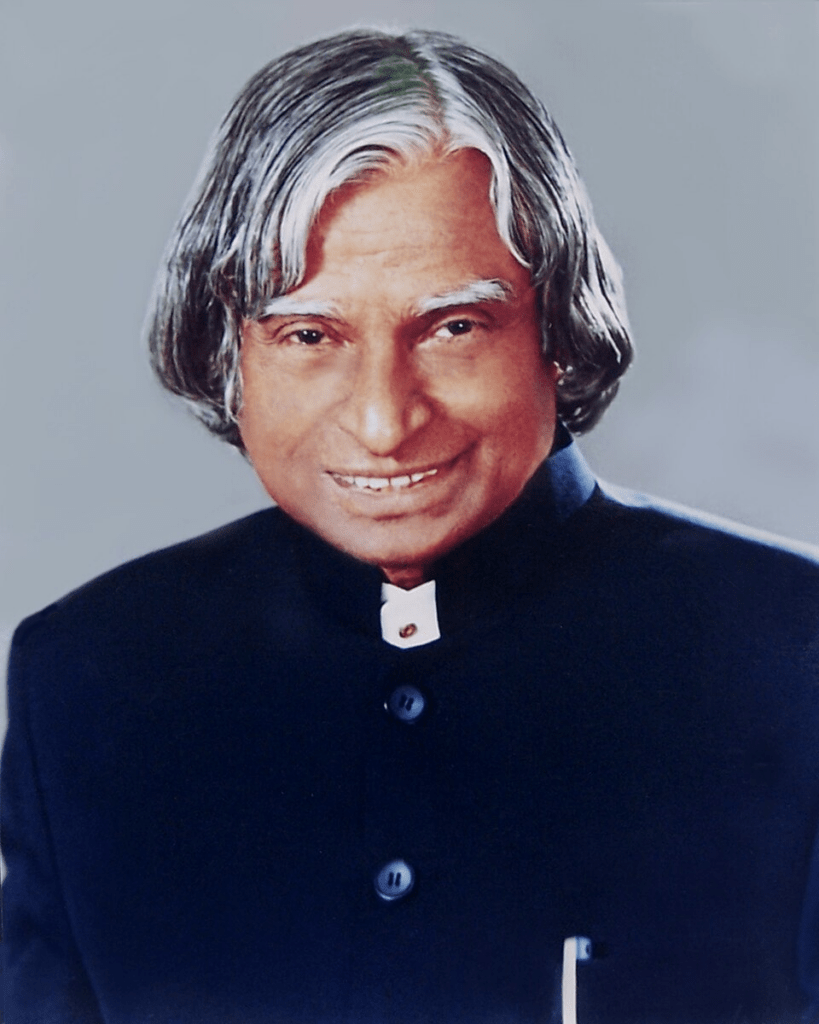
Abdul Kalam’s life made his message believable. He came from a modest background, studied science, worked in aerospace and defence research, became President of India, and still described himself most warmly as a teacher. Students listen to him because his words do not sound distant or decorative. They come from a life shaped by learning.
His view of education was never limited to textbooks. For him, education had to create capable human beings with skill, courage and values. A student who only memorizes facts may pass an exam, but a student who learns to think, question and act responsibly becomes stronger for life.
That is the reason education Abdul Kalam quotes work across age groups. A child can understand them. A teacher can explain them. A parent can use them to guide a conversation about effort, failure or discipline.
The core message behind education Abdul Kalam quotes
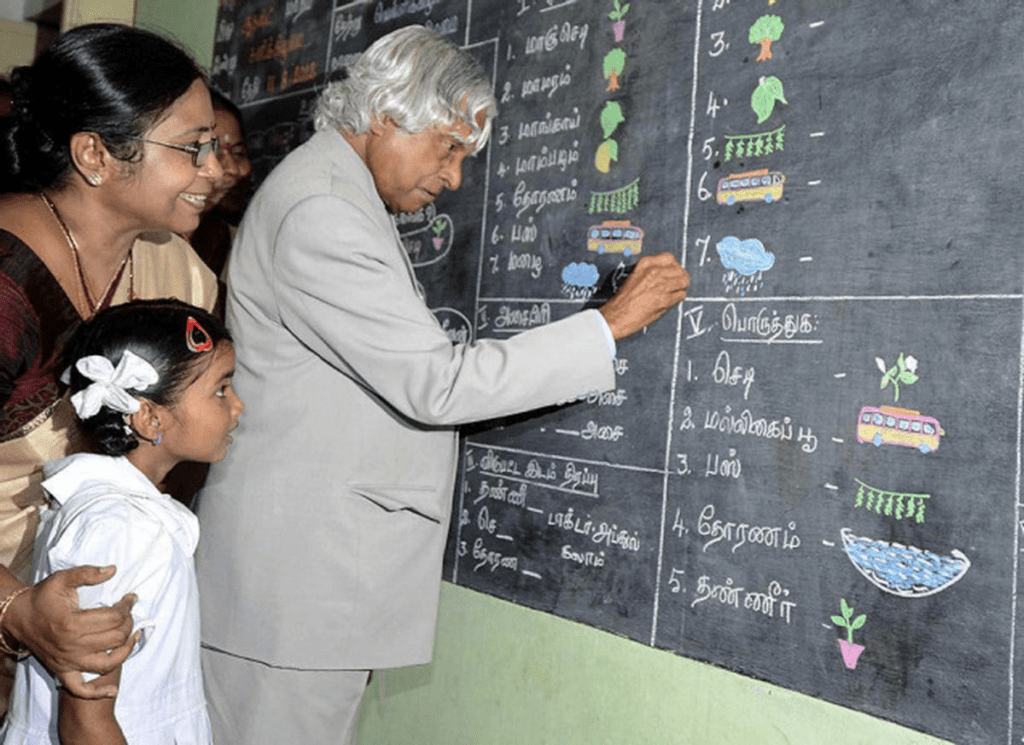
The strongest idea in Kalam’s educational philosophy is simple: learning should awaken the mind. He did not treat students as empty vessels waiting to be filled with information. He saw them as young minds capable of creativity, invention and leadership.
One of his most repeated educational ideas connects learning with creativity, thinking and knowledge. The chain matters. Learning is not the final step; it is the beginning. When students learn with attention, they begin to ask questions. Questions develop thinking. Thinking turns information into knowledge.
This is a useful lesson for exam-focused students. Reading a chapter is not enough. A learner has to understand why something works, where it applies and how it connects with real life. That is where education becomes deeper than preparation for marks.
Famous Abdul Kalam quotes for students

Abdul Kalam’s quotes are popular because they are short, direct and easy to remember. They work well in notebooks, school boards, speeches and daily reflection. More importantly, they give students a practical direction.
“Dream, dream, dream. Dreams transform into thoughts and thoughts result in action.”
This quote is often used to encourage ambition, but its real meaning is not fantasy. Kalam’s dream is active. A dream becomes valuable only when it turns into thinking and action. For students, this means a goal should become a timetable, a revision plan, a project or a skill.
“You have to dream before your dreams can come true.”
This line reminds students that achievement begins with imagination. A student who never imagines a better future may never build the courage to work for it. At the same time, the quote does not remove the need for effort. It simply gives effort a direction.
“Small aim is a crime; have great aim.”
This is one of Kalam’s most forceful messages. It does not mean every student must chase fame or status. It means students should not reduce their own potential because of fear, comparison or temporary failure. A great aim can be personal, academic, scientific, creative or social.
Abdul Kalam quotes on learning and knowledge
“Learning gives creativity, creativity leads to thinking, thinking provides knowledge, knowledge makes you great.”
This quote is especially useful in classrooms because it shows a full learning process. A student begins with learning, but the purpose is not only memory. Learning should open imagination. Creativity should lead to independent thinking. Thinking should become knowledge that helps the student act with confidence.
For teachers, this quote is also a reminder. A good classroom should not only deliver answers. It should create conditions where students ask better questions.
Education Abdul Kalam quotes in Hindi meaning
Many students connect more deeply with Kalam’s thoughts when they are explained in Hindi or in their own regional language. The meaning becomes warmer and easier to discuss in school assemblies.
“Dreams transform into thoughts and thoughts result in action” can be explained in Hindi as: सपने विचारों में बदलते हैं, और विचार कार्य में बदलते हैं।
The meaning is clear: सपना तभी उपयोगी है जब वह काम में बदले. A student may dream of becoming a doctor, engineer, teacher, artist or officer, but the dream needs daily study, practice and patience.
“Small aim is a crime; have great aim” can be understood as: छोटा लक्ष्य मत रखो, अपनी क्षमता के अनुसार बड़ा सोचो। This does not pressure students to become perfect. It encourages them to respect their own ability and avoid limiting themselves too early.
How teachers can use Abdul Kalam quotes in class
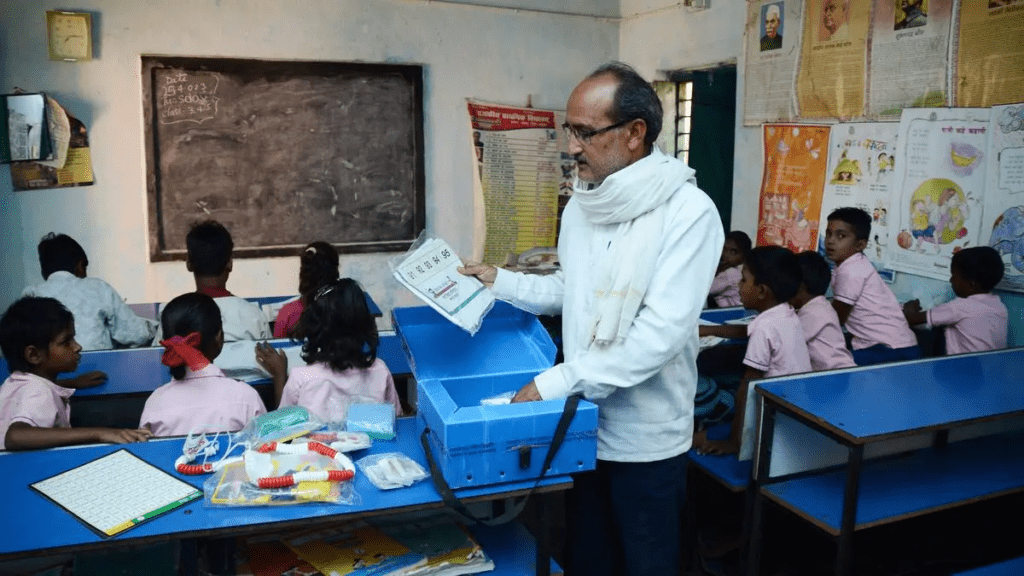
Education Abdul Kalam quotes are most effective when teachers turn them into reflection, not decoration. A quote written on the board may inspire for a moment. A quote discussed with examples can shape student behavior.
A teacher can take one quote and ask students three simple questions: What does it mean? Where can we apply it this week? What mistake does it warn us against? This method turns a motivational line into a learning activity.
For example, a quote about dreams can become a discussion on goal setting. A quote about learning can become a conversation about curiosity. A quote about failure can help students talk honestly about exam stress without shame.

| Focus Area | Quote Theme | Student Takeaway |
| Dreams | Active dreaming | Goals need action |
| Discipline | Daily effort | Habits shape future |
| Learning | Skill and values | Knowledge with character |
| Confidence | Self-belief | Fear reduces with preparation |
Abdul Kalam’s message during exam pressure
Students often meet Kalam’s quotes during exams because his words calm the mind without giving false comfort. He did not say that success comes without work. He reminded students that effort, preparation and belief matter more than panic.
During exams, the most useful lesson from his philosophy is to focus on what can be controlled. A student cannot control the exact question paper. A student cannot control everyone else’s marks. But a student can control revision, sleep, practice, attention and honesty.
This makes his message practical. Confidence does not come from repeating “I will win” without preparation. Confidence grows when students revise consistently, solve mistakes and enter the exam hall knowing they have done the work.
Quotes on failure, courage and self-belief
Kalam often spoke about failure as part of growth. His message was not that failure is pleasant. It was that failure should not become a permanent identity.
For students, this is important. A low score, a missed opportunity or a difficult subject can feel final. Kalam’s approach encourages students to treat failure as feedback. The question changes from “Am I good enough?” to “What should I improve next?”
Self-belief, in this sense, is not arrogance. It is the decision to continue learning even after disappointment. A student who corrects mistakes becomes stronger than a student who only protects pride.
Practical ways students can apply Kalam’s ideas
The best way to use education Abdul Kalam quotes is to connect them with daily habits. Inspiration fades quickly if it does not become action.
- read for thirty minutes with full attention
- revise one subject daily instead of waiting for exam week
- write doubts in a notebook and ask them clearly
- explain a topic to a friend to test understanding
- review mistakes without shame and correct them patiently
Parents can also use his quotes gently. Instead of using them as pressure, they can use them to open conversations about goals, effort and resilience. The aim is not to compare a child with others. The aim is to help the child see learning as a path of growth.
Why his educational legacy remains strong
Abdul Kalam’s words continue to guide students because they respect young minds. He did not reduce education to marks, but he also did not ignore discipline. He believed in dreams, but he connected dreams with action. He valued science, but he kept ethics at the center.
That combination is rare. It helps students understand that education is not only about getting ahead. It is about becoming capable, thoughtful and useful to society.
Education Abdul Kalam quotes remain relevant because they give students a steady message: think deeply, work honestly, dream boldly and keep learning. In a world full of pressure and distraction, that message still feels clear, humane and necessary.