
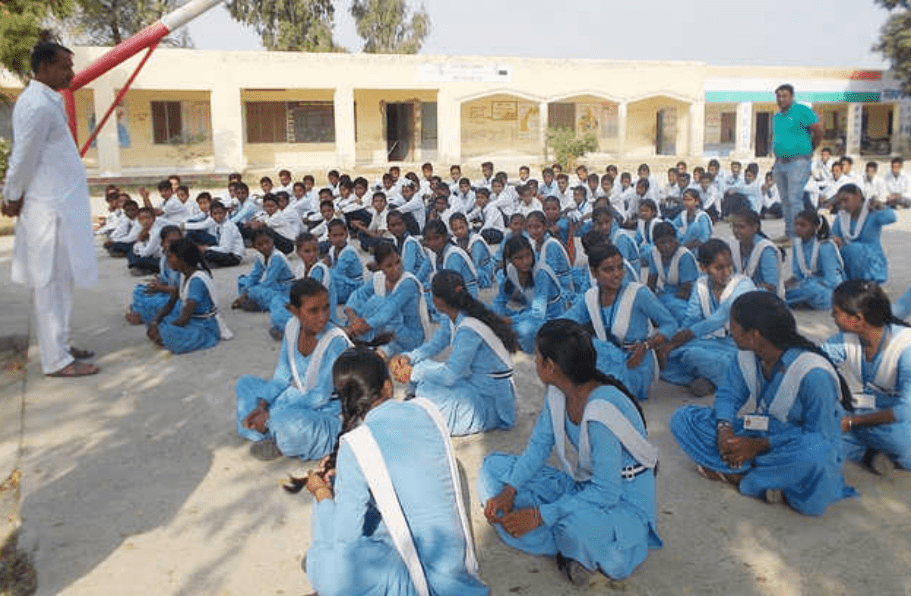
A school morning begins long before textbooks open. In that quiet moment of assembly, when students stand together, a single line can shape the mood of the entire day. A school assembly success thought in Hindi and English works like a shared breath. It slows anxious minds, sharpens focus, and reminds students why learning matters beyond marks and ranks.
Across Indian schools, from urban CBSE campuses to rural government institutions, the thought of the day has become a cultural bridge. English offers clarity and global exposure, while Hindi brings भावनात्मक जुड़ाव and cultural depth. Together, they help students feel included, confident, and ready to engage with the day ahead.
What a Thought of the Day Means in School Life

A thought of the day is not decoration. It is a short value statement that sets intention. When spoken aloud in assembly, it turns into a collective moment of reflection rather than private motivation.
For younger students, it works as a simple moral anchor. For adolescents, it becomes a lens to interpret pressure, competition, and failure. That is why a school assembly success thought in Hindi and English is chosen carefully, keeping age, context, and timing in mind.
Beyond Quotes and Slogans
A meaningful thought differs from a random quote in three ways:
- It connects to student reality like exams, friendships, or discipline.
- It is short enough to remember during the day.
- It invites action, not just admiration.
Language as Inclusion
Using both languages ensures balance:
- Hindi thoughts feel rooted and emotionally strong.
- English thoughts sharpen expression and confidence.
- Together, they respect India’s linguistic diversity without dividing students.
Why Schools Prioritize Assembly Thoughts Daily
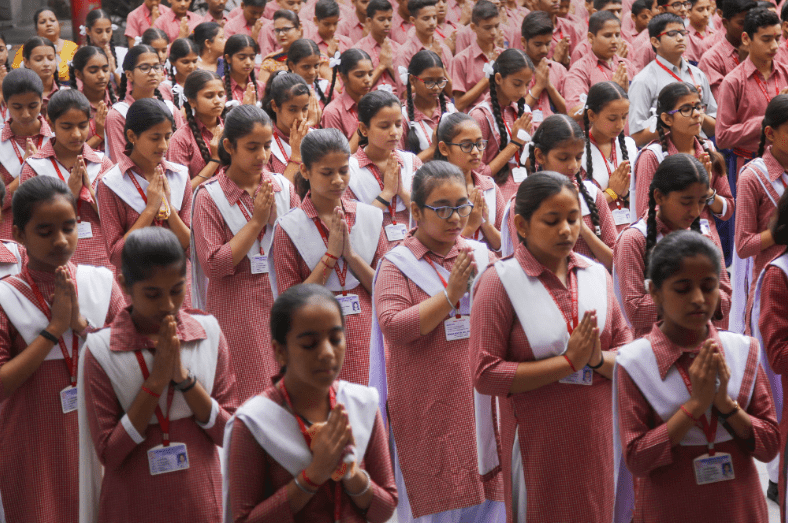
Morning assemblies exist to create rhythm and order. The thought of the day adds purpose to that structure. Schools rely on it because it quietly influences behavior without lectures or punishment.
Psychological Impact on Students
Regular exposure to positive, realistic thoughts helps students:
- Reduce morning anxiety before classes or exams.
- Build emotional regulation through repetition.
- Develop optimism without ignoring effort and discipline.
Social and Cultural Role
A shared thought builds collective identity. When an entire school reflects on one line, it creates unity across classes, sections, and backgrounds. A school assembly success thought in Hindi and English becomes a daily ritual of togetherness.
Choosing the Right Thought for the Right Age Group
Not every thought works for every class. Effective assemblies match language and message with student maturity.
For Primary Students
Thoughts should be concrete and visual. Abstract success ideas confuse younger minds. Examples focus on kindness, effort, and curiosity rather than future achievement.
For Middle School Students
At this stage, students respond to growth ideas. Thoughts about practice, patience, and self-belief resonate more than moral instructions.
For Senior Students
Older students prefer realism. They respect thoughts that acknowledge struggle and uncertainty while pointing toward responsibility and consistency.
English Thoughts That Work Well in Assemblies
English thoughts are often direct and easy to project across large assemblies. They work best when language stays simple and conversational.
Common Themes That Connect
Effective English thoughts usually focus on:
- Effort over talent
- Progress over perfection
- Responsibility over excuses
Sample English Thoughts for Assembly Use
- Small steps every day lead to big change.
- Confidence grows when preparation meets opportunity.
- Learning improves when curiosity stays alive.
These lines function well as a school assembly success thought in Hindi and English when paired with a short Hindi reflection.
Hindi Thoughts That Carry Emotional Weight
Hindi सुविचार connect deeply because they sound familiar and carry cultural rhythm. Even one line can feel personal to students.
Why Hindi Resonates Strongly
Hindi thoughts often use imagery and emotion. They stay in memory longer and are easily repeated among peers.
Sample Hindi Thoughts for School Assembly
- मेहनत कभी धोखा नहीं देती।
- सीखने की कोई उम्र नहीं होती।
- आत्मविश्वास ही सफलता की पहली सीढ़ी है।
When spoken slowly and clearly, these lines ground students before an intense academic day.
Blending Hindi and English Effectively
The strongest assemblies do not overload students. They balance languages naturally rather than translating word by word.
Practical Structure for Delivery
A simple format works best:
- Speak the thought in English clearly.
- Share a Hindi line that reflects the same idea.
- Add one short explanation, not more than two sentences.
This approach keeps attention high and avoids turning the assembly into a lecture.
How Thoughts Shape Discipline and Confidence
Over time, repetition creates habit. Students begin to recall thoughts during stress, competition, or conflict. Teachers often notice that classes exposed to consistent assembly messaging show better self-control and cooperation.

A school assembly success thought in Hindi and English quietly trains the mind to pause and reflect. That pause is where discipline grows. That reflection is where confidence begins. Have you ever noticed how one remembered line can change how a student reacts under pressure?
A Practical Reference Table for Assemblies
| Focus Area | English Thought | Hindi Reflection |
| Effort | Consistency builds success. | निरंतर प्रयास सफलता लाता है। |
| Learning | Curiosity makes learning meaningful. | जिज्ञासा सीखने को गहरा बनाती है। |
| Confidence | Preparation reduces fear. | तैयारी डर को कम करती है। |
| Values | Respect earns respect. | सम्मान से ही सम्मान मिलता है। |
Such structured use helps teachers plan assemblies without repetition or confusion.
Making Students Active Participants
When students present the thought, impact increases. Speaking in front of peers improves clarity, confidence, and ownership. Many schools rotate presenters weekly to ensure inclusion.

Over time, students stop seeing the assembly thought as a formality. It becomes their moment to speak, reflect, and lead. A school assembly success thought in Hindi and English then shifts from ritual to responsibility.
Turning Thoughts into Daily Habits
A thought heard once inspires. A thought repeated daily shapes behavior. Schools that treat the thought of the day as a habit rather than a formality see deeper results in student conduct and mindset.
When students begin associating mornings with clarity and purpose, they carry that rhythm into classrooms. धीरे-धीरे, the thought stops being just words and becomes a reference point for choices made during the day.
Consistency Over Novelty
Many schools focus on finding new thoughts every day. What matters more is consistency of themes:
- Effort and discipline across the week
- Integrity and honesty across the month
- Confidence and resilience before exams
Reinforcing one theme through varied expressions helps students internalize meaning instead of chasing variety.
Small Reflection, Big Effect
Even a 20-second pause after the thought allows students to absorb it. Silence, when intentional, strengthens attention and respect for the message.
Using Thoughts During Exams and High-Pressure Periods
Exam seasons change the emotional climate of a school. Stress rises, attention scatters, and fear becomes visible. During these weeks, the role of a school assembly success thought in Hindi and English becomes critical.
Thoughts should avoid pressure language and focus on balance.
What Works Best During Exams
Effective thoughts during exams usually emphasize:
- Process over results
- Calmness over comparison
- Preparation over panic
Examples that resonate include ideas about effort, rest, and self-trust rather than success slogans.
Language Choice Matters Here
Hindi lines often soothe, while English lines clarify. A calm Hindi thought followed by a short English explanation helps students feel reassured and focused at the same time.
Linking Assembly Thoughts with Classroom Learning

The strongest schools align assembly messaging with classroom culture. When teachers casually refer back to the morning thought during lessons, students recognize continuity.
A math teacher reminding students about patience, or a language teacher referencing confidence in expression, reinforces relevance. The thought stops living only in the assembly hall and starts influencing learning behavior.
Cross-Subject Integration
Assembly thoughts can connect with:
- Moral science discussions
- Language comprehension exercises
- Classroom discipline norms
This integration makes the school assembly success thought in Hindi and English feel practical rather than symbolic.
Role of Teachers in Amplifying Impact
Teachers shape how seriously students take the thought of the day. Tone matters more than volume. A calm, steady delivery commands more respect than exaggerated motivation.
Teacher Practices That Help
Teachers who maximize impact usually:
- Explain meaning in one or two simple sentences
- Avoid preaching or moral superiority
- Use real classroom examples sparingly
Students respond better when they feel guided, not instructed.
Student Voices and Leadership Development
Giving students responsibility to select and present thoughts builds ownership. Schools that involve students notice growth in confidence and empathy.
Benefits of Student Participation
When students present thoughts:
- Public speaking improves naturally
- Peer connection strengthens
- Leadership skills develop early
Rotational systems ensure fairness and help even introverted students find their voice.
Avoiding Common Mistakes in Assembly Thoughts
Not every well-written line works in assembly. Some thoughts fail because they ignore student reality.
Mistakes to Watch For
Common issues include:
- Overly complex language
- Abstract success ideas without context
- Excessive length or explanation
A school assembly success thought in Hindi and English should feel reachable, not distant or philosophical.
Building a Year-Long Thought Framework
Schools benefit from planning thoughts in advance rather than selecting randomly each morning. A yearly framework ensures balance across values, academics, and emotional well-being.
Suggested Monthly Focus Areas
A simple structure can include:
- Discipline and routine
- Learning and curiosity
- Respect and empathy
- Confidence and resilience
- Responsibility and citizenship
Such planning reduces repetition and improves coherence.
Why This Practice Still Matters Today

With digital distractions and academic pressure increasing, students need grounding moments more than ever. The morning assembly offers one of the few spaces where the entire school pauses together.
A well-chosen school assembly success thought in Hindi and English does not compete with technology. It complements it by strengthening attention, reflection, and human connection. When students walk into class carrying one clear idea, learning becomes steadier and calmer.
That single line spoken each morning may seem small, but over years, it quietly shapes how students think, respond, and grow. And that is where true education begins.